
AI “friends” & Your Child: What Parents Need to Know
Overview and Resources
At the heart of every young person’s well-being is human connection.
Supportive friendships, caring adults, teamwork, mentorship, family belonging—these are the experiences that help youth grow into confident, resilient people.
Artificial intelligence (AI) as a general tool can play a helpful role in youth development. Many young people use AI to:
Explore ideas and interests
Strengthen their learning
Build creativity and confidence
When used intentionally, AI can even support connection—for example, helping a youth express their thoughts more clearly to share ideas with others. However, it can be very harmful if AI is created as a companion that replaces human connection.
“Does this use of AI help my child connect better with real people—or get in the way?”
The rise of ai companions
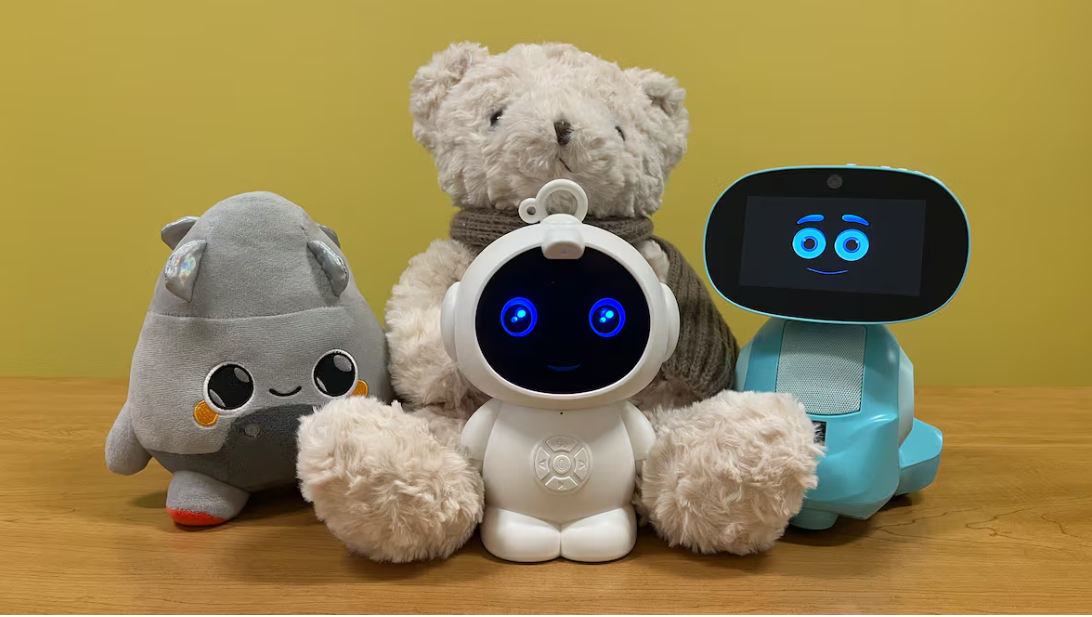
Alongside learning and creativity tools, we’re now seeing a rapid rise in AI “friends,” “companions,” chat partners, and AI companion toys. These aren’t just tools. They’re designed to:
Respond emotionally
Hold conversations like peers
Build ongoing relationships
Be available 24/7
Personalize themselves to the user’s moods and preferences
To a youth, this can feel comforting, exciting, or even intimate; that’s why parents should be informed and concerned.

"If a person's idea of conversation — of a relationship — is formed through interactions with these chatbots, we're headed for a civilization of people lacking empathy, lacking perspective (and) lacking the ability to really have a human relationship. And where is our civilization at that point? I feel like it could get really dark."
— Joseph Gordon-Leavitt
AI companions carry real developmental risks
Adolescents and children who are still learning how to navigate connection, identity, and emotions are especially prone to these risks.
Emotional Dependence & Attachment
Adolescents and children are naturally susceptible to intense feelings and relational pull. Because AI companions are
Always supportive
Never complicated
Never rejecting
They can become a substitute for real friendships, which are essential for social growth. Over time, this may
Reduce motivation to build real relationships
Make real-world social situations feel harder
Create emotional withdrawal or secrecy
Loneliness Reinforcement
AI may temporarily soothe loneliness—but it doesn’t actually fix it. For youth, especially those who are struggling with loneliness, the illusion of friendship may deepen isolation over time.
Persuasion & Emotional Influence
AI companions adapt to a child’s emotions and preferences.
This can lead to
Reinforcement of negative thinking
Subtle shifts in beliefs or behaviors
Guidance that sounds caring but lacks human wisdom
Even well-designed AI can unintentionally shape identity or influence decision-making.
Data & Privacy
For an AI to feel “close,” it must collect details:
Feelings
Personal stories
Habits
Social struggles
This raises huge questions about data safety and how these interactions may be used commercially. Be aware that these companies generally own any data your child shares with them and they can use their data almost any way they choose.
Skill Displacement
If a child turns to an AI companion for comfort, conflict navigation, or emotional regulation, they may not develop crucial relational skills such as:
Tolerating imperfection
Building real friendships
Managing conflict
Understanding boundaries
Practicing courage and vulnerability
None of these risks require fear—but they do require awareness.
weyouth is pro-connection
We aren’t anti-technology—we’re pro-connection. In line with our mission, WeYouth aims to help families:
Understand AI clearly
Use AI in ways that strengthen human connection
Equip youth with skills AI cannot replace
Support parents and teens in developing emotional resilience
Build community and mentoring that counteracts loneliness
AI isn’t the enemy. Disconnection is. Your child doesn’t need fear-based rules. Your child needs you—an informed, caring adult who understands the technology and stays connected through honest, ongoing conversation.
When families stay grounded in human connection, AI becomes a tool for growth, not a substitute for relationships.
resources
(See below, and more coming. Free professional consultations available for personalized help.)
research on AI companions & youth
When families stay grounded in human connection, AI becomes a tool for growth, not a substitute for relationships.