Mental Performance Coaching
Most coaches and experts agree that a huge part of “the game” is mental, no matter what your sport or performance activity is. Yet, so many athletes and parents spend so much time and energy focused on extra trainings, the best equipment, nutrition fads, extensive travel, etc., and much less on the mental side.
As a mission-drive nonprofit, WeYouth has built powerful solutions to help youth in many parts of their life including mental growth to help them optimize and perform better. When we say “better” we mean that we help young people to reduce performance anxiety, increase confidence and focus, and help them enjoy their sport and performance better. We use an innovative, impactful model of mental performance coaching that helps with performance on the field, court, or stage as well as improved well-being and happiness in life in general. We combine best practices from
Why It Works
Coach Selection: The relationship between coaches and participants is paramount. Positive, engaging, skilled coaches who genuinely enjoy and care about the athlete (performer, etc.) will run each coaching engagement and maintain contact between sessions.
Two Coach Model: Each connection coaching session includes two coaches, one older to provide the wisdom of experience and one younger (near-peer) to provide relatability and encouragement. Coaches approach each participant with unconditional positive regard to help them set, plan, and achieve social and relationship goals.
Goal-Directed: Under all the friendly conversation that makes up a coaching session, there is always a goal. It could be an internal goal like building confidence or social skills, or an external goal like relationship management. Ideally, the participant is motivated by such a desire for change, but young people sometimes “don’t know what they don’t know.” Coaches can help them figure it out.
ABC: Audience Before Content: No two coaching participants will ever have the same experience because connection coaching is individualized to the specific, needs, goals, and personality of each participant. Coaches may draw on a well of evidence-based resources to help young people achieve their connection goals, but there is no set structure or “curriculum”.
Fun: Once trust is established, the main thing that brings young people back for coaching sessions is simply that they enjoy interacting with adult role models who listen actively, share openly, and care deeply about their success and happiness.

Take the Next Step
Contact us today for a free consultation or to learn more about our services and how we can support you and the young people you care about.
Connection is vital
That has always been true, but for the past quarter century, alarming negative trends have developed. The U.S. Surgeon General declared three years ago that the nation is in the midst of a youth mental health crisis. A recent Gallup Report found that youth in the U.S. report lower happiness and lower levels of well-being than any other age group. This is striking because, historically, happiness and well-being levels were higher for youth than any other age group.
These core struggles in mental health are a result of disconnection, and they have lasting impacts on youth. Nothing will matter more in the lives of this generation of young people than supportive relationships in which they can thrive. Sadly, such connections are not given adequate attention during pivotal periods for teenagers and young adults — the time when they most need someone to listen to them, see them for who they are, and mentor them in pursuit of their goals.
Connection Coaching can help!
Too Busy to Connect?
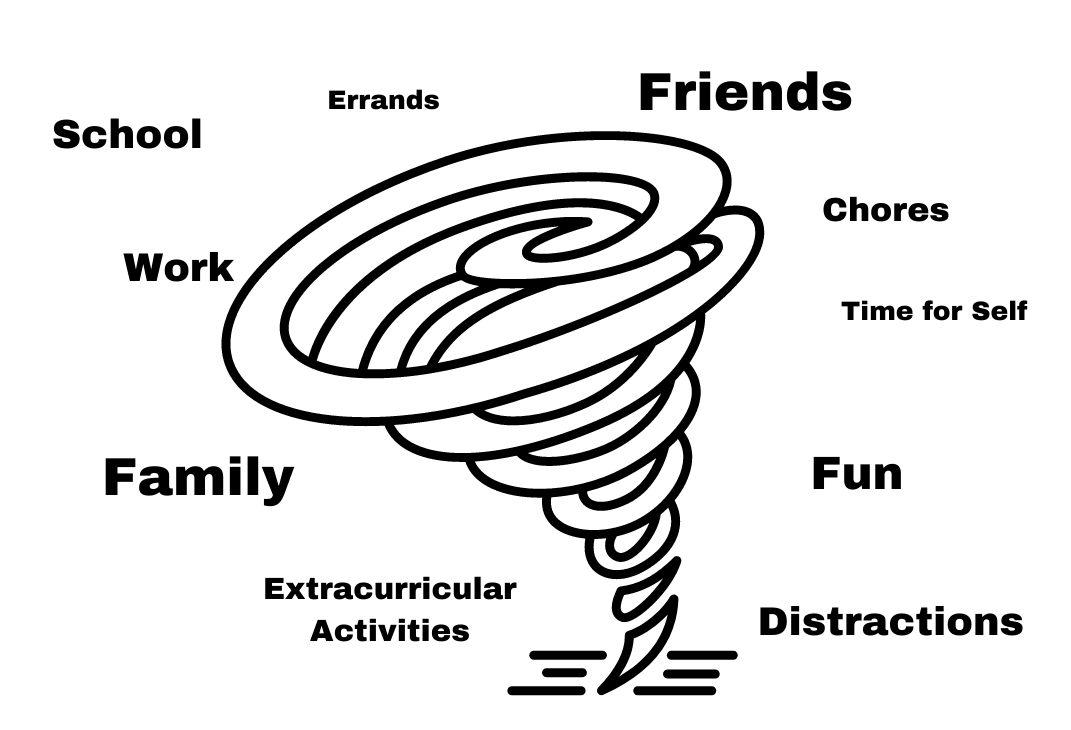
In the whirlwind of modern life, it is easy to lose sight of the things that matter the most. Every parent says that their kids are among their top priorities, but when we look at how we’re actually spending our time, that doesn’t seem to be the case — especially once kids reach adolescence. While it is a normal aspect of human development for kids to begin to “pull away” from their parents in middle school, that doesn’t mean we should just let them go. There are many reasons to spend more of our time and energy maintaining strong relationships with our children throughout life.

Connection Coaching
Drawing from the latest research in social-emotional learning, we provide young people professional coaching focused specifically on connection and relationships. A connection coach helps young people identify their unique strengths, then prioritize and work toward their own relationship goals. Research indicates that many adolescents are growing more emotionally disconnected due to technology, suffering greater degrees of social anxiety, and feeling less of a bond with their teachers as they progress through school. A professional intervention before formal therapy is needed can benefit all developing teens and young adults, not just those with obvious social struggles. Connection coaching is safe, focused, and individualized, and can lead to even greater connections and networks that will serve people for the rest of their lives.
Connection coaching is designed to help young people overcome barriers to connection like shyness or social anxiety, but it can also help them understand social networking and how to make friendly connections; communicate better; be more empathetic and/or assertive; create and maintain joy in dating relationships; understand how technology helps and hinders connection; build resilience through stronger connections with wider circles of people; and develop leadership traits like adaptability, social awareness, interpersonal skills, and teamwork.
Our Approach
We believe that achieving a balanced, fulfilling life requires focus in four key areas:
Personal Well-being: Taking care of your physical, mental, and emotional health.
Relationship Growth: Nurturing connections with family, friends, and community.
Purpose: Discovering your values, passions, long-term goals, and how you can contribute meaningfully to others.
Achievement: Building confidence, developing a growth mindset, and achieving your goals
And for those who feel stuck or hopeless about progress, there are impactful steps that can help.